
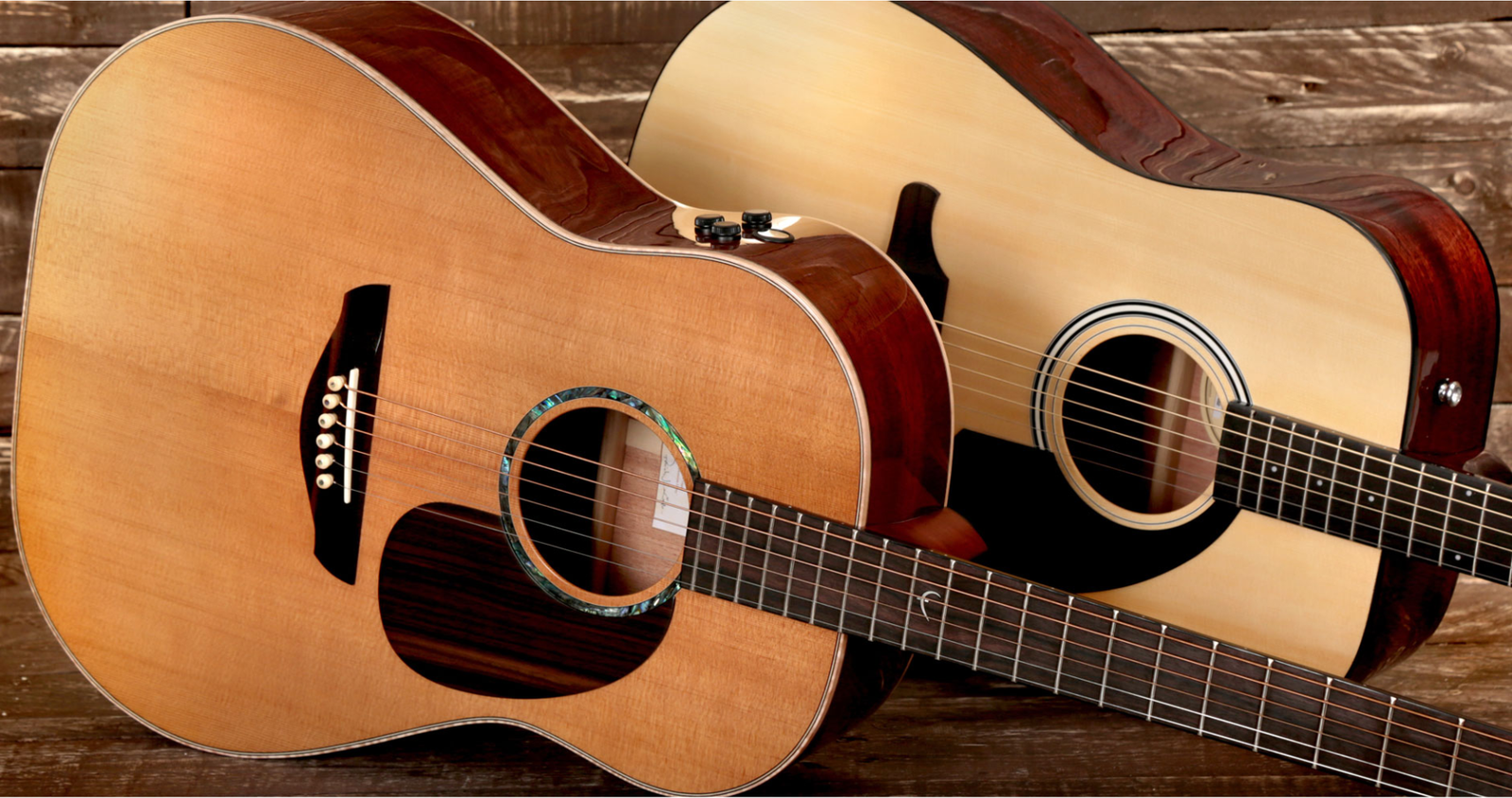
The Question Every Buyer Encounters
One of the most common acoustic guitar buying questions is whether a solid-wood guitar is worth the extra money. The short answer is: sometimes. Solid wood can offer tonal development and a particular responsiveness, but laminate construction has legitimate advantages and can produce excellent instruments.
What Solid Wood Means
A solid-wood top is made from a single piece or matched pieces of wood rather than a layered composite. Higher-end guitars may use solid wood for the back and sides as well. Solid wood is prized because its acoustic response can be very lively and because many instruments change character as the wood vibrates and ages.
What Laminate Means
Laminate construction uses layers of wood or wood-based material. Modern laminates can be engineered for consistency and durability. A laminate guitar may be less sensitive to changes than a comparable all-solid instrument, which can be useful for travel or family environments.
Does Solid Always Sound Better?
No. Construction quality, bracing, setup, strings, body shape, neck design, and the individual pieces of wood all matter. A well-built laminate guitar can sound more inspiring to you than a poorly executed solid-wood guitar.
Why Solid Tops Are Popular
The soundboard is especially important because it moves in response to string vibration. Solid tops are often chosen by players who want a responsive instrument that can grow with them. If you plan to keep one guitar for decades, a good solid-top model can be an appealing investment.
Why Laminate Can Be Smart
If you are buying a first guitar for a teenager, traveling frequently, or expecting the instrument to face rougher conditions, laminate construction can make practical sense. You may be less anxious about every humidity fluctuation or bump.
Humidity Matters
Regardless of construction, acoustic guitars are wood instruments. Extremely dry or humid environments can cause problems. A good case, sensible storage, and a simple humidity strategy can protect your investment.
Choose the Player, Not the Label
If a $500 guitar makes you play every day and a $1,500 guitar makes you nervous to touch, the cheaper guitar may be the better purchase. Your goal is not to impress another guitarist. Your goal is to make music.
For the Christian Dad
There is wisdom in counting the cost, but there is also wisdom in remembering what a purchase is for. If the guitar becomes a family instrument—used for worship, teaching, and memories—its value cannot be measured only by materials.
Related Guides
Pair this article with Choosing the Right Tonewood: Spruce, Cedar, Mahogany & More and Acoustic Guitar Buying Guide for Christian Dads before making your decision.
Luke 14:28 — “Suppose one of you wants to build a tower. Won’t you first sit down and estimate the cost...”