
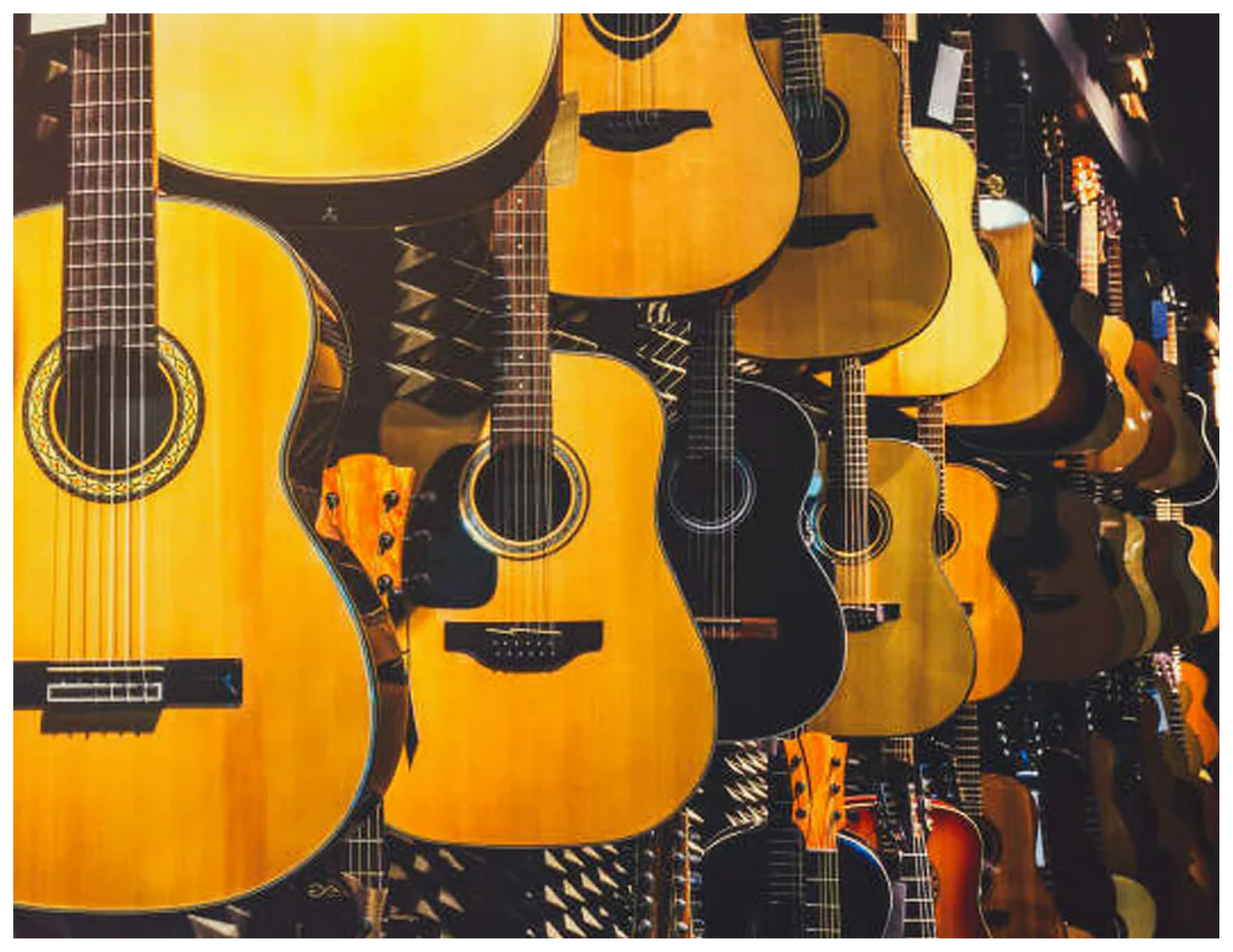
The Best Acoustic Guitar Is the One You Will Actually Play
Buying an acoustic guitar can be exciting, but it can also become confusing quickly. You will encounter dreadnoughts, concert guitars, auditorium bodies, solid tops, laminate backs, spruce, cedar, mahogany, different neck profiles, electronics, scale lengths, and prices ranging from a few hundred dollars to several thousand. The good news is that you do not need to know everything to make a wise decision.
For a Christian dad, there is another question worth asking: What do I want this guitar to help me do? Maybe you want to lead worship at home, play around a campfire, accompany your children, learn after retirement, or simply enjoy a creative hobby. Your purpose should guide your purchase more than the name on the headstock.
Start With Your Purpose
Before comparing models, write down three situations in which you expect to play. If most of your playing will happen in the living room with your family, comfort and balanced volume may matter more than maximum projection. If you will lead a church worship set, an acoustic-electric model may make more sense. If you primarily fingerpick, a smaller body and responsive top may be more comfortable.
If you are buying your first serious guitar, resist the temptation to buy based entirely on appearance. A beautiful guitar that feels uncomfortable can spend more time on a wall than in your hands. The best instrument is the one that makes you want to pick it up tomorrow.
Choose the Body Shape
Dreadnought guitars are large, powerful, and familiar. They are excellent for strumming and can produce a strong low end. Concert and grand-concert styles are generally smaller and can be easier to hold. Auditorium and orchestra-style guitars often aim for a balanced response that works well for both strumming and fingerstyle.
For a dad who wants to play with children, a smaller or medium body can be surprisingly appealing because it is easier to hold during long sessions. For a strong strummer who wants to fill a room without amplification, a dreadnought remains a classic choice. Our related guide, The Different Types of Acoustic Guitars Explained, can help you compare the major shapes.
Understand Tonewoods
Tonewood is only one part of a guitar's sound, but it matters. Spruce is widely used for soundboards because it can provide clarity, projection, and a broad dynamic range. Cedar often responds easily to a lighter touch and can suit fingerstyle players. Mahogany can produce a focused, woody character. Rosewood is associated with complex overtones and strong low and high frequencies.
Do not assume that an expensive wood automatically produces a better guitar for you. The right sound is personal. Two guitars made with similar materials can feel and respond very differently. Read our Guitar Tonewoods Guide before shopping so you know what you are listening for.
Solid Top or Laminate?
A solid-wood top can develop a richer voice over time and is often attractive to players who want an instrument they can keep for decades. Laminate construction can be more affordable and can offer practical durability. A well-made laminate guitar can be an excellent family instrument, especially if children will be learning around it.
If this is your first guitar, do not feel pressured to spend beyond your budget simply because someone tells you that a solid guitar is the only serious choice. Read Solid Wood vs. Laminate: Does It Really Matter? for a fuller explanation.
Playability Matters More Than Specs
Hold the guitar. Sit with it. Reach the first-position chords. Try a D chord, G chord, C chord, and E minor. Does your fretting hand feel relaxed? Is the neck comfortable? Does the guitar feel too large against your body? If possible, play for at least ten or fifteen minutes.
Also inspect the action, meaning the distance between the strings and fretboard. Excessively high action can make a beginner work unnecessarily hard. A professional setup can improve many guitars, so do not reject an instrument solely because it needs adjustment.
Set a Realistic Budget
A reasonable budget is one that lets you buy a dependable instrument without creating financial stress. Remember to budget for a tuner, picks, strap, case or gig bag, and possibly a setup. If you plan to play amplified, include the cost of a cable and amplifier or PA connection.
For a family guitar, durability and comfort can be more valuable than decorative appointments. You are buying a tool for making music and memories, not a trophy.
Think About the Family Mission
A guitar can become part of your family's story. A child may remember sitting beside Dad while learning a G chord more vividly than the price tag of the instrument. If your goal includes family worship, choose an instrument that encourages regular use.
Deuteronomy 6:6–7 describes the importance of talking about faith throughout ordinary life. Music can become one of those ordinary places where faith is practiced, shared, and remembered.
Final Buying Checklist
Before you buy, ask: Is it comfortable? Does it stay in tune? Do I like its sound? Is the neck comfortable? Does the body fit me? Is the price appropriate? Can I get it serviced locally? Will I still want to play it a year from now?
If you can answer yes to those questions, you are probably close to a good choice. And remember: the perfect guitar is not the one with the longest specification sheet. It is the one that helps you make music.
Psalm 33:3 — “Sing to him a new song; play skillfully, and shout for joy.”